Route 2 — customisation and integration
Custom Odoo integration: integrations that keep working
Is there still an SAP, an Exact or an AFAS running in your landscape? Do you have a webshop, a WMS and a carrier that need to talk to Odoo? Then we build the integration and the customisation that requires — with the governance of a corporate and the pace of an SME.
Who it is for
When do you choose a custom Odoo integration?
Most companies are better off with our €1,000-per-app route: standard Odoo, app by app, at a fixed price. A custom project comes into play as soon as your landscape or your process cannot simply be flattened into the standard.
Think of a group where SAP remains the financial core while the operating companies move to Odoo. Of a wholesaler working with retailers via EDI. Of a webshop with its own fulfilment partner. In all those cases, it is the integration that determines whether the implementation succeeds, not the app configuration.

Processes that deviate from the standard
Your way of working is your advantage and does not belong in a standard mould. We build customisation only where it adds value, backed by a gap-fit analysis.
Heavy integrations
SAP, EDI, a WMS or production equipment that has to keep running. We design the integration architecture and build the integrations ourselves.
Governance requirements
Multiple entities, audits or a board that wants to stay in control. You get a steering committee, phasing and a test regime — see also meerdere entiteiten in één systeem.
Systems by name
Which systems do we integrate with Odoo?
With us, an Odoo integration is not a promise but a list. These are the systems we have actually built integrations with. Is your system not listed? If it has an API, an SFTP folder or an EDI format, an integration is possible.

ERP and finance
SAP S/4HANASAP Business OneExactAFASeCommerce and channels
ShopifyMagentoWooCommerceChannableLogistics and WMS
PicqerBoltricsDHLPostNLDPDEDIReporting
Power BI
Webshop to Odoo
Orders, stock and returns between Shopify or Magento and Odoo, with Channable directing the channels.
Carriers and EDI
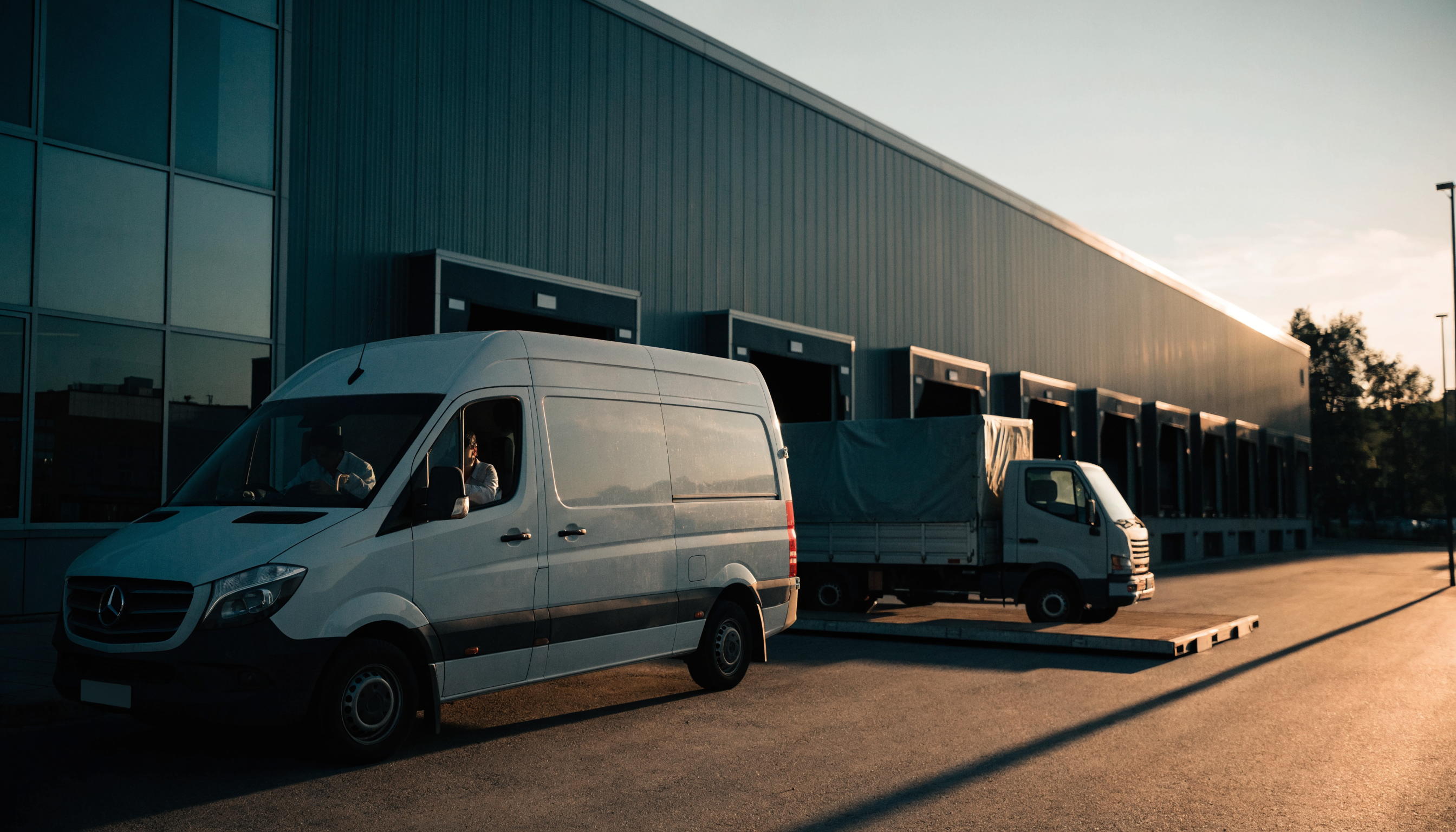
Labels, shipments and status updates with DHL, PostNL and DPD, plus EDI messages to retailers.
How an Odoo integration works technically
Every integration we build consists of the same four layers. That makes an SAP integration familiar work for us rather than an adventure.
- Connection — REST API, SOAP, SFTP or an EDI network, with dedicated credentials and logging.
- Translation — field mapping between your system and Odoo, including units, currencies and code lists.
- Monitoring — failed messages land in a queue with an alert, not in a black hole.
- Tests — automated tests on the integration, so an Odoo upgrade holds no surprises.
Honest question
ERP without customisation — is that even possible?
With a large ERP package like SAP, customisation quickly becomes expensive, because every modification has to be retested at every upgrade. That is why many organisations deliberately opt for the standard and adapt their process. A sensible choice — until the process that sets you apart suffers for it. At that point, a small, well-tested piece of customisation is cheaper than an organisation taking detours every day.
| Situation | Standard is enough | Customisation or integration | Explanation |
|---|---|---|---|
| Sales, purchasing and accounting | Standard Odoo almost always covers this. Done via €1,000 per app. | ||
| Webshop, marketplaces and channels | The apps are standard; the integration with Shopify or Channable is integration work. | ||
| SAP remains the financial core | A two-way integration between SAP and Odoo is needed, with clear ownership of each data item. | ||
| Unique production or service process | This is where your competitive edge lies. Forcing the standard costs more than it delivers. | ||
| EDI with retailers | Message formats and agreements differ per trading partner and always require configuration. |
“If the analysis shows that you can manage with standard Odoo after all, we recommend the €1,000-per-app route. Even if it costs us revenue.”
The project
From analysis to support, in four steps
Gap-fit analysis
We place your processes and your system landscape next to standard Odoo. For each gap, we note what it costs to close it.
Integration architecture
Which system owns which data? We design the integrations before a single line of code is written.
Build and test
Customisations and integrations go into your own repository, with automated tests and documentation per component.
Go-live and support
Migration, training, guided go-live and then monitoring of the integrations. See also our implementation approach.
Examples
Three integration scenarios from practice

SAP stays, Odoo is added
The group keeps SAP as its financial core; the operating companies work in Odoo. General ledger, receivables and fixed master data travel both ways over the integration.

Odoo as a source for Power BI
A read replica feeds Power BI with order, margin and stock data, so reporting never burdens the production environment.
Webshop, WMS and carrier
Order from Shopify into Odoo, pick order to Picqer, label from PostNL and the status update back to the customer. See the Tenways case.
Our background
Corporate experience, SME mentality
Our team comes from organisations where ERP programmes, integration architecture and governance were daily business. We know how to keep a complex project manageable: clear phasing, explicit decision points and a test regime that prevents surprises.
The difference is in the format. No armies of consultants and no reports nobody reads — in this project too, AI builds alongside us, so you get corporate quality without the corporate price tag.
- The code for your customisations and integrations is yours, in your own repository.
- Automated tests on customisations and on every integration.
- Steering committee and phasing, with a fixed price per clearly defined component.

Frequently asked questions
Customisation, integrations, costs and governance

Tell me more
Curious which route suits you?
Place your system landscape next to our list and within one conversation you will know whether you need a custom project or whether the €1,000 per app will do. We will tell you honestly, even if the second answer is cheaper for you.